


Conditions
Which Conditions Does Neurofeedback Help?
- ADHD
- Addiction
- Anxiety
- Attachment Disorder
- Autism and Asperger's
- Bipoloar Disorder
- Depression
- Insomnia
- Learning Disabilities
- Migraines
- OCD and Obsessive Thinking
- PTSD (Post Traumatic Stress Disorder)
- Seizures
- Stroke and Traumatic Brain Injury (TBI)
Top 20+ Questions about Neurofeedback
 How does neurofeedback work? What conditions can be helped by it? Can neurofeedback be used in conjunction with medications? Can I do neurofeedback at home? And many more, including questions you probably woudn't think to ask.
Medicating the Brain: Why We Need a New Approach
 Pills don’t usually teach you how to change your own brain. Neurofeedback does. What are the implications of teaching people to "trust" their own brain to function better while reducing the reliance on medications?
Guidelines on How to Find the Right Neurofeedback Provider for You
 What questions should you ask a provider of neurofeedback to find out if they are the right fit for your situation? Here are some hints on what to ask any provider before you start training with them.
Does Neurofeedback Really Reduce the Use of Medications?
 It often can and does. Reducing medications should be done carefully. It requires very careful assessment, particularly when there are multiple medications involved and should be coordinated with a physician. Finding the right doctor is also important - many MD's don't understand the role neurofeedback plays with medications.
Below are some selected entries from our Frequently Asked Questions page. For answers to more questions view our full FAQ page.
What is Neurofeedback?
How does Neurofeedback work?
How is Neurofeedback used clinically?
Can Neurofeedback be used while a patient is on medication?
Is Neurofeedback experimental?
Do insurance companies reimburse for Neurofeedback?
Are there any adverse effects?
How many sessions are needed?
How long before I notice changes from Neurofeedback training?
How long do the effects of training last?
Can training occur at home?
Are there any adverse effects of Neurofeedback?
View full FAQ
They need more help than medications and psychotherapy can offer some patients.
Most experienced clinicians are well aware of the limitations of medications and psychotherapy. But what are their options?Clients are demanding an alternative.
Parents are concerned about the side effects of medications and want an alternative.It makes sense to regulate the brain.
Many clinicians say they’ve always had an interest in the brain, and that the idea that you can train the brain and improve self-regulation through biofeedback simply makes sense to them.The neurophysiology is compelling.
Many clinicians are unconvinced or very cautious as they look into neurofeedback. But if they get to a really good course that makes the neurophysiology understandable, it can be a tremendous “aha” moment.Watching symptoms change quickly.
Seeing someone experience a change rapidly that cannot be explained any other way never fails to amaze.The research is impressive.
When clinicians read enough of the research and look at some outcome studies, particularly with ADD, depression and addictions, it’s very hard to dismiss.Read full article
News
![shutterstock_67356076 [Converted]](http://www.aboutneurofeedback.com/wp-content/uploads/2010/08/shutterstock_67356076-Converted.png)
For Clinicians
We have a wealth of information for clinicians both looking to integrate Neurofeedback into their practices and for those currently practicing neurofeedback.
Clinician Center
Research
View extensive research on neurofeedback, including academic news and articles as well as editorials, to help individuals better understand the field.
Research Guide
News and Articles
Editorials
Research Center
Research Center

Book Review
Healing Young Brains: The Neurofeedback Solution
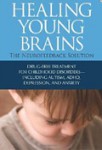 Read our review of this great parent’s guide to neurofeedback and other non-drug options for ADHD, learning disabilities, mood, and more.
Read full review
Read our review of this great parent’s guide to neurofeedback and other non-drug options for ADHD, learning disabilities, mood, and more.
Read full review
Read our review of this great parent’s guide to neurofeedback and other non-drug options for ADHD, learning disabilities, mood, and more.
Read full review
The Internet's Best Neurofeedback Resource
AboutNeurofeedback.com has been a trusted source of neurofeedback information since 2006. Combining information for parents, clinicians looking to add neurofeedback to their practices, and information for current neurofeedback professionals, our goal is to provide a complete and balanced resource for all neurofeedback-related topics. We welcome you to explore our Info Center. You'll find plain English answers to all of the most common neurofeedback questions on our FAQ Page, extensive research, news, and articles in our Research Center, audio and video interviews, book reviews and much more. To receive up-to-date neurofeedback news and information sign up for our email newsletter. About Us Info CenterFrom the Editor
Neurofeedback is one of the most powerful modalities of our time. This important method of helping people overcome challenges is a valuable addition to the fields of medicine and mental health. It needs to be more available, more publicized, and better understood. AboutNeurofeedback intends to help.
